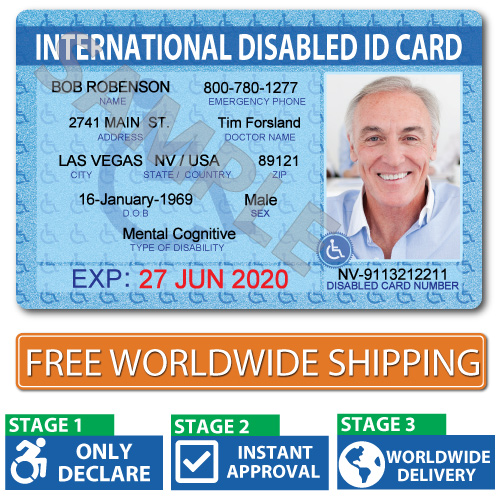
Travel should be for everyone. The International Disability Card is a free tool from the International Board of Credentialing and Continuing Education Standards (IBCCES). It’s a globally recognized ID that helps share your needs at parks, attractions, and cultural venues.
This card is your key to a more accessible travel experience. It makes it easier to share your accommodation needs. This way, you can arrange for services that make travel more comfortable and less stressful. It aims to give you a tool that promotes independence and confidence.
This accessible tourism ID card is more than just a piece of plastic. It’s a step toward a more inclusive world for travelers of all abilities. By using the International Disability Card, you’re helping to foster understanding and create a more welcoming environment for everyone.
Understanding the International Disability Card
The International Disability Card makes traveling easier for people with disabilities. It’s a key document that helps everyone understand and respect disability status worldwide. This card ensures that people with disabilities get the access and services they need.
What is the International Disability Card?
The International Disability Card is a ID card for disabled individuals that proves a person’s disability worldwide. It’s based on the European Disability Card and is recognized everywhere. It gives holders special benefits and services, making travel easier.
Who is Eligible for the Card?
People with long-term disabilities can get this disability card for travelers. This includes physical, sensory, intellectual, or mental health issues. The card helps those with many types of disabilities, making travel more accessible.
The Importance of the International Disability Card
This card is key for equal access and breaking down barriers. For example, the European Disability Card is used in over a dozen countries. It offers discounts and special services, making travel easier and more enjoyable.
This card is more than just an ID card for disabled individuals. It’s a symbol of empowerment and inclusion. It tells service providers that the holder deserves special treatment, making travel more accessible and respectful.
Benefits of the International Disability Card
The International Disability Card is more than an ID for travelers with disabilities. It’s a key to a smoother journey. It helps overcome obstacles by providing a recognized form of documentation. This card addresses common travel challenges, from security checks to boarding.
It offers travel assistance for disabled individuals, making the journey more predictable. This card is a game-changer for those with disabilities.
Enhanced Travel Accessibility
The card unlocks a smoother journey from start to finish. At security checkpoints, it speeds up the screening for the cardholder and their equipment. Many places offer priority lanes for people with disabilities.
This makes the screening process quicker and less stressful. It’s a key benefit of the International Disability Card.
Also, many airlines and rail operators recognize the card. This means priority boarding, making the start of your journey less chaotic. This small advantage can greatly improve your travel experience.
Recognition Across Multiple Countries
The benefits of the International Disability Card include cross-border recognition. It’s not a global legal document but is widely accepted by many businesses and transport providers. It’s based on the EU Disability Card’s success.
This recognition means you don’t have to explain your needs in every country. The card is a clear, standardized form of documentation. It simplifies getting the travel assistance for disabled individuals need.
Access to Special Services and Accommodations
The card unlocks special services to make travel more comfortable. Many places offer dedicated entry lines and discounts. It also helps with priority seating and staff assistance on public transport.
For air travel, it’s important to consider your mobility equipment. Airlines have liability limits for lost or damaged aids. The U.S. Department of Transportation advises travelers to declare high-value mobility aids before flying.
This increases the airline’s liability if your equipment is lost or damaged. Declaring your equipment’s value at check-in is key for reimbursement.
Traveling with a service animal? Always check the destination country’s entry requirements. The International Disability Card helps with these checks, ensuring your service animal’s needs are met.
How to Obtain an International Disability Card
Getting an International Disability Card makes traveling easier. It makes sure your needs are met. The application is easy, connecting you with important travel resources.
Steps for Application
Applying is straightforward. Start by reaching out to your national or regional disability group. Look for the European Disability Card network or your national association online. You’ll find the application form and instructions on their site.
Just fill out the form, show your ID, and include medical proof. Apply early for your trip.
Required Documentation
Collect the right papers first. You’ll need a photo, ID copy, and medical proof or a doctor’s letter. Having these ready speeds up your application.
Renewal and Maintenance of Your Card
Keep your card details up to date. Most cards need renewal. Renewal is simpler than applying for the first time.
Plan ahead for smooth travel. The Canadian Transportation Agency suggests contacting your travel provider 48 to 96 hours in advance. This helps use all travel resources for people with disabilities.
FAQ
What is the International Disability Card and what is its primary purpose?
Who is eligible to apply for an International Disability Card?
What are the main benefits of carrying an International Disability Card while traveling?
How do I apply for an International Disability Card and what documents are required?
What documents do I need to provide with my application?
- A completed application form.
- A recent passport-sized photograph.
- Proof of identity (e.g., passport or national ID).
- Proof of residency.
- Medical documentation or a certificate verifying your disability or long-term health condition from a recognized medical professional.